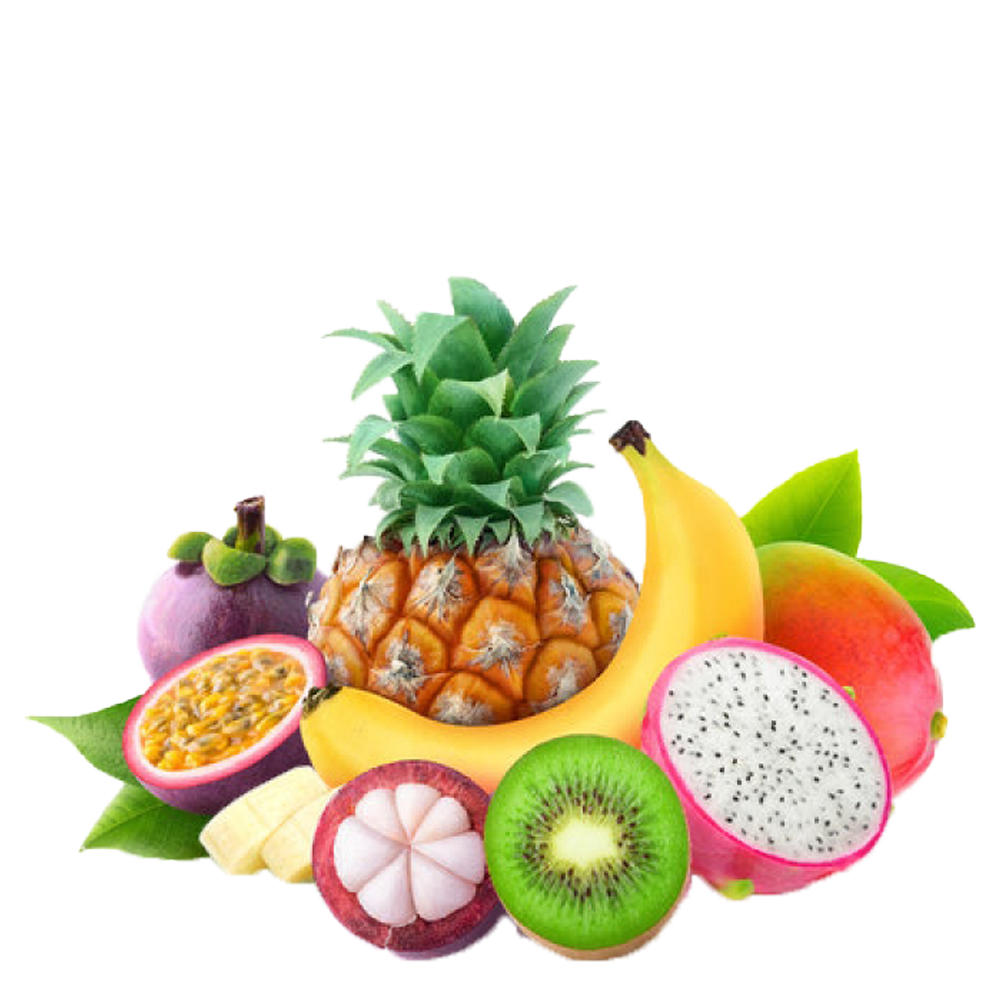
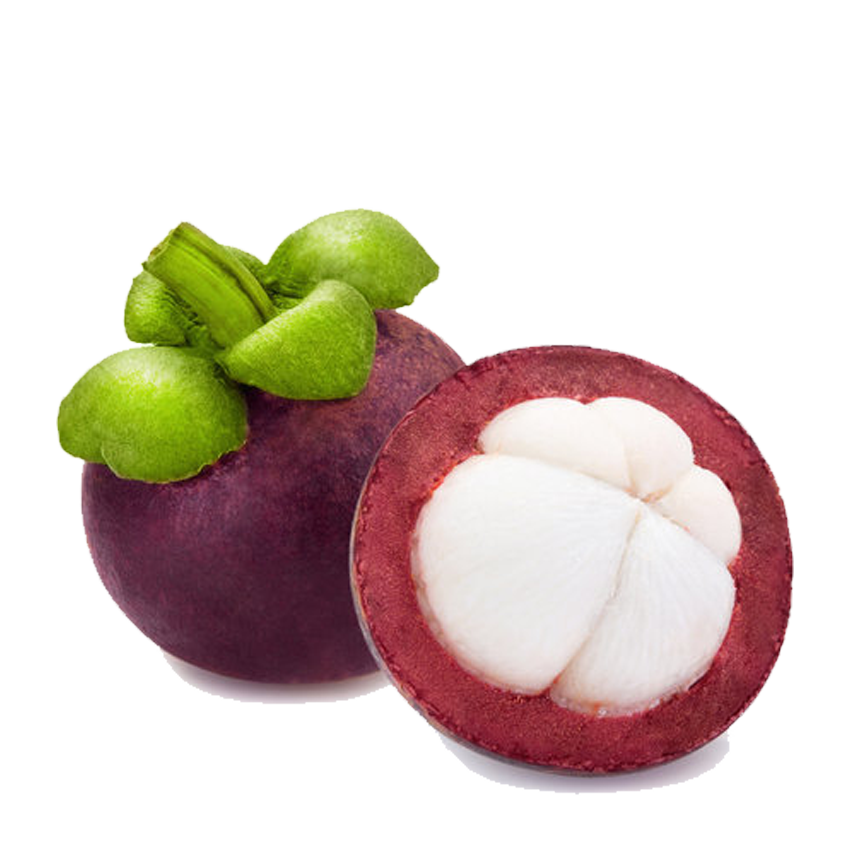
Mangosteen (Garcinia mangostana) is an exotic, tropical fruit with a slightly sweet and sour flavor. It’s originally from Southeast Asia but can be found in various tropical regions around the world. The fruit is sometimes referred to as purple mangosteen because of the deep purple color its rind develops when ripe. In contrast, the juicy inner flesh is bright white. Though mangosteen is a relatively obscure fruit, it shouldn’t be overlooked, as it may offer many health benefits due to its rich supply of nutrients, fiber, and unique antioxidants.
Perhaps one of mangosteen’s most significant attributes is its unique antioxidant profile. Antioxidants are compounds that can neutralize the damaging effects of potentially harmful molecules called free radicals, which are linked to various chronic diseases Mangosteen contains several nutrients with antioxidant capacity, such as vitamin C and folate. Plus, it provides xanthones — a unique type of plant compound known to have strong antioxidant properties In several studies, the antioxidant activity of xanthones has resulted in anti-inflammatory, anticancer, anti-aging, and antidiabetic effects Thus, xanthones in mangosteen may be responsible for many of its potential health benefits. Still, more human research is needed before definitive conclusions can be drawn.